

4 Qualities to Look For in Basement Contractors
A basement is usually the cheapest square footage you will ever add to a Long Island house — the floor, the walls and the roof are already paid for. That is exactly why it is worth being careful about who finishes it.
Contact Us
We are Preferred Remodeling & Construction Co. , a family-owned general contractor in Smithtown. Twenty-three years, seven carpenters on payroll, licensed, insured and bonded under #46440-H. We have finished a good number of basements in Suffolk County, and we have been called in to repair a few that somebody else finished. These are the four things we would look for if we were the ones doing the hiring.

1. Talent — and Something to Prove It
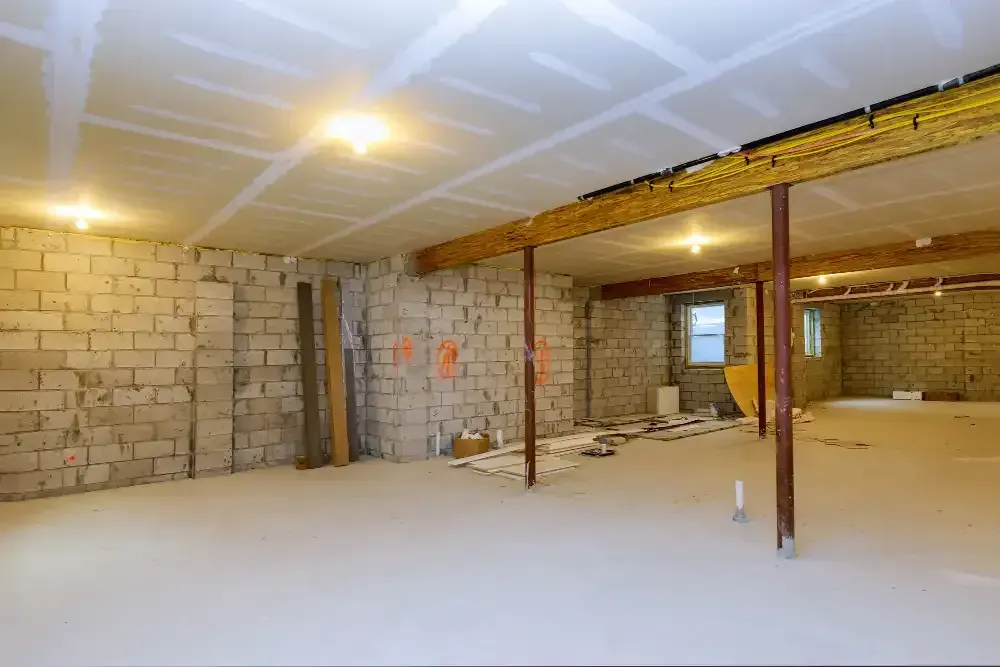
Anyone can paint a block wall. A basement is harder than it looks, because it is the one room where the house fights back: the slab is rarely level, the ceiling is low before you start, and every duct, waste line and lally column in the building is somewhere in your way.
So ask to see finished basements, not renderings. Then look past the furniture at how the obstacles were handled. Where did the soffits go? Does the stair stringer meet the new floor cleanly? Was the ceiling height protected, or was it given away to a dropped ceiling that did not need to be there? That is where skill shows.
Ask who actually swings the hammer, too. A layout that looks good on paper is worth very little if it is handed to a different crew every week. Our carpentry, framing and trim are done by our own people, which is the only reason we are willing to promise how the finished room will look.

2. A Reputation You Can Actually Check
Online reviews are a starting point, not an answer. Read the three-star ones — they tend to be the honest ones — and look at how the contractor responded when something went wrong, because something always does on a job this size.
Then verify the paperwork. Home improvement contractors working in Suffolk County are licensed through the county Office of Consumer Affairs, so ask for the licence number and check it yourself rather than taking the logo on the truck as proof. Ask for a certificate of insurance covering general liability and workers’ compensation, sent to you by the insurer rather than photocopied out of a folder.
A contractor who is confident about their reputation hands over references without being chased. If you have to ask three times, you already have your answer.
3. Communication Before the Job, Not Just During It
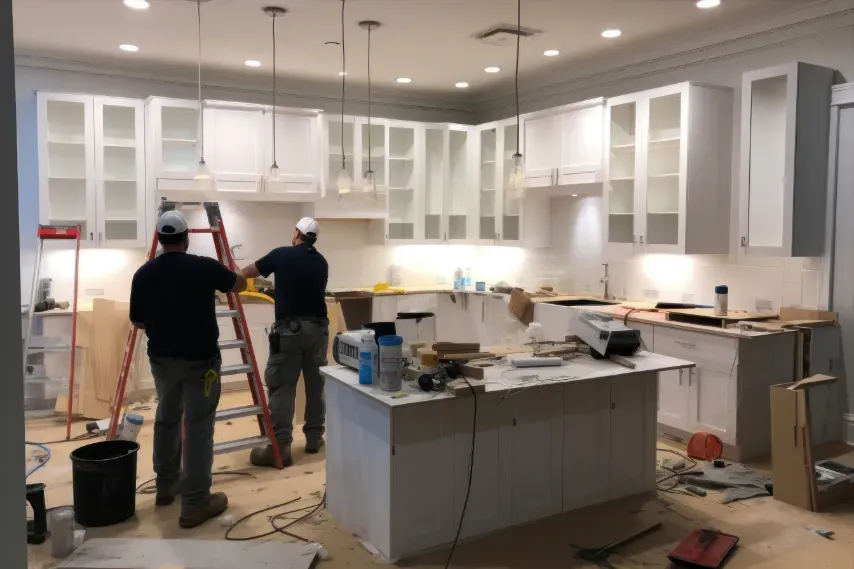
Basement briefs start vague. Most people call and say they want to use the space. A contractor who is listening will pin that down before quoting, because an office, a playroom, a gym, a guest room and a legal bedroom are five different jobs carrying five different numbers.
The bedroom is the one that catches people out. A room anyone is going to sleep in has to meet the code requirements for egress and ceiling height, and that is a structural and budget conversation rather than a detail to settle later. You want to hear about it at the estimate, from someone who raises it before you do.
Once work starts the test gets simpler: who do you call, how often do you hear from them, and do they tell you about a problem on the day they find it or the week after. We would rather have an awkward conversation early than an expensive one later.
4. Reliability — Showing Up Is Most of the Job
Very few basement horror stories are really about bad carpentry. Almost all of them are about a crew that stopped coming — a job left open over a holiday weekend, a deposit already spent, a phone that stops being answered.
Ask for the schedule in writing. Ask what happens when an inspection slips. Ask whether the crew is on payroll or hired week to week, because that answer tells you how much control the contractor actually has over your start date.
Ask about permits while you are at it. Basement work that touches framing, electrical or plumbing needs one, pulled through your town building department. A contractor offering to skip it is offering to make the problem yours at the closing table.
What to Check Before You Sign
If you take one thing from this page, take this list to the estimate and work down it. Every item is reasonable to ask for, and a contractor worth hiring will not be offended by a single one of them.
- The Suffolk County home improvement contractor licence number — then verify it yourself.
- A certificate of insurance covering general liability and workers’ compensation, sent by the insurer.
- A written contract with the scope, the materials, the payment schedule and the start and finish dates on it.
- Who is pulling the permit, and which inspections are included in the price.
- Photographs of at least two finished basements, ideally with the homeowners’ phone numbers attached.
- A straight answer on moisture: what they found, and what they are doing about it before anything gets covered up.
Thinking About Finishing Your Basement?
We will come out, look at what is actually down there, and give you a written number with a schedule attached — free, and with no pressure to use us. Call 631-543-2600 or email preferredremodeling@hotmail.com , Monday to Friday, 8:00 AM to 4:30 PM. You can also read more about our basement remodeling work on Long Island .
FAQs
Do I need a permit to finish my basement?
In practice, yes. Framing new walls, running circuits and adding plumbing all require a permit from your town building department, and the inspections that go with it are what protect you when you sell the house. We pull the permit and schedule the inspections as part of the job.
Can I put a bedroom in a finished basement?
Only if it meets the code requirements for egress and ceiling height, which is why we ask early whether anyone will be sleeping down there. It is often achievable, but it shapes the design and the budget, so it needs settling before the walls go up rather than after.
What should I do about dampness before finishing?
Find the source before anything gets covered up. A lot of Long Island basement moisture traces back to grading, gutters and leaders discharging too close to the house, and that is far cheaper to correct from outside than to manage from inside. Never frame over a wall that is still taking water.
How long does a basement take to finish?
A straightforward finish runs several weeks on site once the permit is in hand, and the schedule moves mainly on inspections and on how much moisture or structural work turns up once the space is opened. You should get the timeline in writing with the estimate; ours is.
How much does it cost to finish a basement?
It depends on four things: how dry the space is, how much usable ceiling height you have, whether a bathroom is going in, and whether the room has to meet bedroom code. Anyone quoting a figure down the phone before seeing the basement is guessing. Our estimates are free and in writing.